Talk to our team800-428-5367
Engineered for hospitality, high-end residential, commercial tech headquarters, and historic restorations. Built to order with solid brass structural integrity.
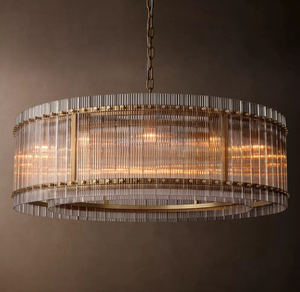
Heavy-gauge solid brass frame with precision hand-blown optic glass sphere. Perfect for dining rooms and grand foyers requiring warm ambient diffusion.
Get Catalog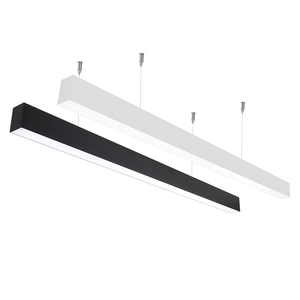
Architectural-grade linear aluminum extrusion with 3-in-1 select CCT options. Designed for SOMA tech workspaces and modern executive suites.
Get Catalog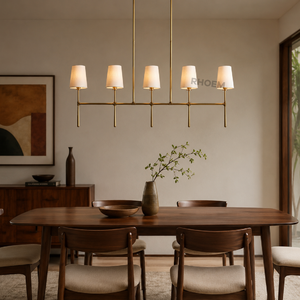
Tailored natural linen shade encased in hand-soldered structural metalwork. Delivers glare-free, warm linear illumination for dining rooms and hotels.
Get Catalog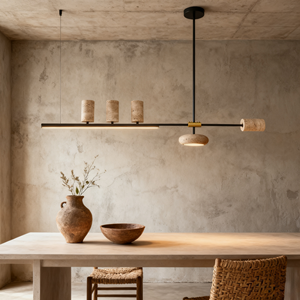
Carved natural yellow travertine stone housing integrated LED downlighting. Celebrates organic micro-textures for bespoke kitchens and boutique bars.
Get Catalog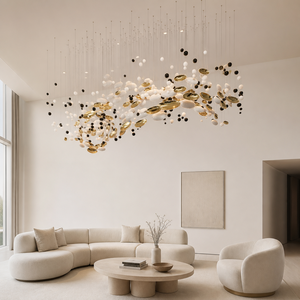
Cascading art-glass elements suspended from custom canopy configurations. Engineered specifically for high-ceiling stairwells and luxury public spaces.
Get Catalog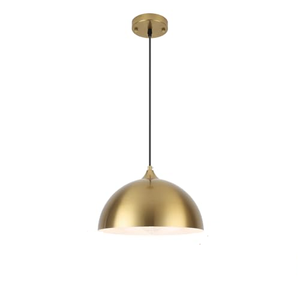
Classic mid-century architectural dome hand-spun and finished in warm satin brass. Ideal for kitchen islands, dining tables, and restaurant booths.
Get Catalog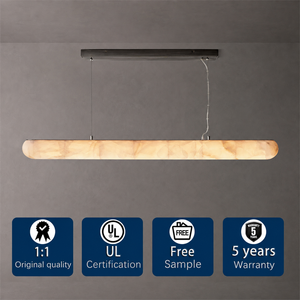
Solid carved Spanish alabaster cylinder diffusers paired with heavy iron framing. Fully dimmable (0-10V / Phase-cut) for high-end residential interiors.
Get Catalog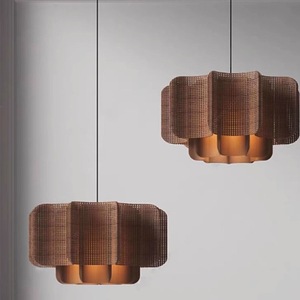
Artisanal organic silhouette blending simulated cloud stone and precision woven accents. Brings relaxing biophilic energy to modern Bay Area dining venues.
Get CatalogThe San Francisco Bay Area represents one of the most demanding architectural lighting markets in North America. Defining Northern California’s built environment requires a sophisticated synthesis of structural resilience, stringent energy conservation mandates, and forward-thinking aesthetic sensibilities. From the tech campuses of Silicon Valley and the commercial towers of South of Market (SOMA) to the historic Victorian and Edwardian manors of Pacific Heights and the luxury hospitality retreats of Napa Valley, lighting specifiers need manufacturing partners capable of meeting uncompromising engineering criteria.
As a premier project lighting manufacturer with an unbroken legacy dating back to 1905, our facility operates on a unified single-roof discipline. Unlike volume importers that distribute off-the-shelf catalog items produced overseas, we maintain direct oversight over every phase of production—including brass rolling, structural brazing, hand buffing, hand finishing, and final electrical testing. This comprehensive manufacturing control allows us to serve San Francisco architects, lighting designers, interior specifiers, and electrical contractors with customized lighting instruments built specifically for Bay Area code compliance and architectural aesthetics.
“Architectural specification in San Francisco is not merely about form and lumens—it is an exercise in structural integrity under seismic forces, strict Title 24 JA8 efficacy compliance, and marine-grade material longevity.”
— Senior Architectural Lighting Director, Specification DivisionNavigating the complex regulatory environment of San Francisco requires deep technical familiarity with local and state-level building codes. Lighting fixtures specified for commercial, multi-family, and high-end residential projects in San Francisco must satisfy rigorous criteria before receiving municipal sign-off.
California’s Title 24 Energy Code sets the national benchmark for building energy efficiency. Lighting specified for residential units, mixed-use residential high-rises, and commercial spaces across San Francisco must conform to strict Joint Appendix 8 (JA8) requirements:
San Francisco resides within Seismic Zone 4, where dynamic lateral forces pose significant risks to ceiling-suspended luminaires. Standard decorative pendants designed for static environments fail to meet local California Building Code (CBC) structural mandates. Our engineering team provides localized structural safety enhancements:
San Francisco’s coastal environment presents microclimate challenges ranging from high fog humidity in the Sunset District to salt-laden marine air around the Embarcadero. Standard electroplated finishes rapidly degrade under atmospheric oxidation. Our solid brass and bronze manufacturing utilizes multi-layer protective coatings, hand-applied wax sealants, and naturally patinated bronze formulations that resist corrosion while aging gracefully over time.
Tailoring custom luminaire scales, optics, and finishes across diverse Northern California micro-markets.
Challenge: Open-plan collaborative offices require acoustic comfort, human-centric circadian lighting, and flexible linear task lighting suspended from tall exposed concrete ceilings.
Solution: We engineer high-efficacy linear LED pendants with switchable color temperatures (3000K–6500K) and integrated indirect/direct optical diffusers. Custom acoustic linen and alabaster dampening wraps mitigate reverberation while fulfilling Title 24 office energy budgets.
Challenge: Restoring 19th-century Victorian and Edwardian estates requires matching historic brass patinas and ornate historic detailing while introducing high-performance modern LED tech.
Solution: Drawing upon our 120-year archival design library and in-house tooling, we replicate period-correct solid brass chandeliers and wall sconces. We discreetly conceal 90+ CRI LED modules within mouth-blown glass globes, preserving historical authenticity while elevating lighting performance.
Challenge: Boutique wine-country retreats require earthy organic textures, soft low-glare accent lighting, and seamless aesthetic transitions between indoor dining spaces and outdoor stone patios.
Solution: Deploying hand-carved Spanish alabaster linear chandeliers, yellow travertine island lights, and outdoor-rated brass sconces finished in dark hand-rubbed bronze. Designed to withstand outdoor atmospheric exposure while creating intimate atmospheric dining spaces.
Challenge: Multi-story residential lobby spaces demand grand artistic statements that can be customized to match architectural millwork profiles and strict contractor installation schedules.
Solution: We manufacture multi-tiered, custom glass LED chandeliers and oversized linear fixtures up to 12 feet in length. Canopies are built with quick-connect structural mounting plates for streamlined installation by Bay Area IBEW electrical contractors.
Architectural interior trends in San Francisco reflect a unique intersection of modern minimalist technology, natural organic elements, and biophilic design principles. Lighting specifiers in Northern California are increasingly pivoting away from mass-produced chrome or cold aluminum in favor of warm, tactile, and natural materials.
Natural mineral diffusers—such as genuine Spanish alabaster and travertine stone—have emerged as premier materials for luxury San Francisco interiors. Unlike synthetic acrylics, natural stone features distinct vein patterns that softly diffuse high-output LED light, transforming harsh directional beams into soothing ambient radiance. Our alabaster fixtures (such as our Natural Alabaster Linear Chandelier) are precision carved and paired with dark iron or polished brass frames to provide striking contrast in modern dining environments.
With San Francisco’s emphasis on workplace wellness and residential comfort, specifiers regularly require Warm Dim technology. Luminaires dynamically transition along the Plankian locus—shifting from a crisp 3000K task temperature down to an intimate 1800K candlelit glow as light levels lower—mimicking natural daylight cycles.
When selecting architectural fixtures for commercial or high-end residential projects, the underlying material composition dictates structural longevity, finish quality, and maintenance overhead.
| Material Specification | Solid Brass & Heavy Steel (Framburg Manufacturing) | Standard Commercial Aluminum Extrusions | Imported Electroplated Steel |
|---|---|---|---|
| Structural Integrity | Superior: High-density C36000 alloy resists warping, fatigue, and vibration under seismic stress. | Moderate: Lightweight but prone to flex across extended horizontal spans over 6 feet. | Poor: Thin-gauge sheet metal vulnerable to sagging and joint separation. |
| Corrosion Resistance | Exceptional: Natural non-ferrous alloy resists moisture and marine fog air degradation. | Good: Requires anodization or powder coating; susceptible to galvanic corrosion. | Low: Plating pinholes expose underlying steel to rapid rust in humid coastal climates. |
| Customization Feasibility | Unmatched: Direct shop-floor modifications to arm radius, stem lengths, and finish patinas. | Limited: Restricted to standard extrusions; costly custom die setups required. | None: Fixed containerized SKUs with zero field or factory customization. |
| Finish Depth & Patination | Artisanal: Multi-stage hand buffing and chemical hand patination create rich depth. | Flat: Standard uniform powder coat lacking organic visual depth. | Reflective Coating: Thin electroplated flash coat subject to peeling and flaking. |
| Title 24 Integration | Seamless: Custom fitted with certified high-CRI (>90) LED engines and dimmable drivers. | Variable: Off-the-shelf drivers often lack JA8 high-efficacy compliance certification. | Non-Compliant: Standard 80 CRI drivers frequently fail California efficiency checks. |
Behind every fixture leaving our manufacturing facility is a sequence of hand processes refined over 120 years of continuous American operation:
Heavy solid brass sheet stock and structural steel bars are precision cut, hand-rolled, and hydroformed into custom arm curves, decorative canopies, and architectural housing profiles using proprietary tooling.
Metal joints are hand-brazed with high-silver solder alloys rather than mechanically crimped or glued. This creates a monolithic metallic bond capable of enduring long-term vibration and structural stress.
Craftspeople polish metal surfaces using multi-stage compound wheels. Hand buffing removes microscopic tooling marks, ensuring that final finishes exhibit flawless optical depth under illumination.
Direct answers for Bay Area architects, interior specifiers, lighting designers, and electrical contractors.
Our custom and catalog LED fixtures specified for California are fitted with high-efficiency LED modules tested and registered under Title 24 Joint Appendix 8 (JA8). These light engines achieve CRI > 90, R9 > 50, and dim seamlessly to under 1% using standard 0-10V or phase-cut dimmers without flicker, meeting all state residential and commercial building energy compliance checks.
To satisfy California Building Code Seismic Zone 4 requirements, our ceiling-suspended fixtures can be engineered with internal stainless steel aircraft safety cables, heavy-gauge solid brass stems, and dynamic ball-and-socket swivel canopy mounts that allow up to 45 degrees of free sway during seismic activity without structural joint strain.
Yes. Because we own our tooling and operate our own hand-finishing shop, we routinely adjust stem and chain suspension lengths, re-scale fixture diameters, alter arm configurations, and match custom finish swatches for historic restoration projects across San Francisco.
Solid brass is naturally non-ferrous and resistant to atmospheric rusting. Unlike iron or thin electroplated steel, our heavy solid brass fixtures receive hand-applied protective lacquers or micro-crystalline wax sealants, preventing coastal fog moisture from stripping the finish or corroding internal structural components.
Standard catalog modifications (stem extensions, custom finishes) typically ship within 4 to 6 weeks. Complete bespoke project lighting fabrications average 6 to 10 weeks depending on shop drawing approval cycles, significantly faster than overseas lead times.
Yes. We support architectural specifiers with 3D CAD models, BIM/Revit families, and IES photometric data files for lighting simulation programs (such as AGi32) to verify Lux/Foot-candle levels during the design development phase.
Connect with our technical engineering team for BIM files, finish samples, custom shop drawings, and wholesale project quotes tailored to Northern California building codes.