
Talk to our team800-428-5367
Precision-engineered architectural, linear, and decorative brass lighting systems optimized for luxury residential and hospitality specifications.
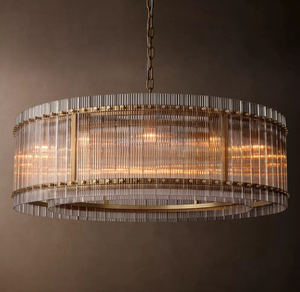
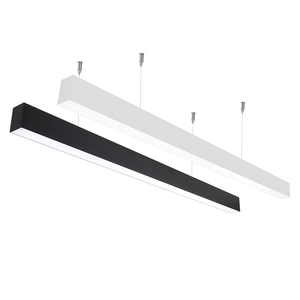
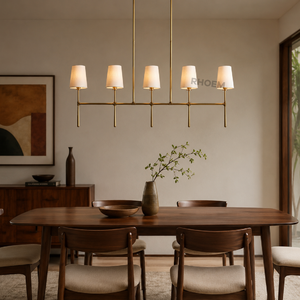
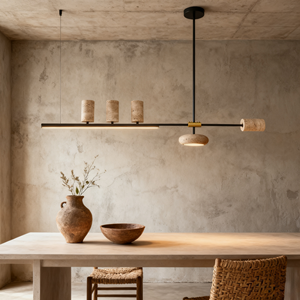
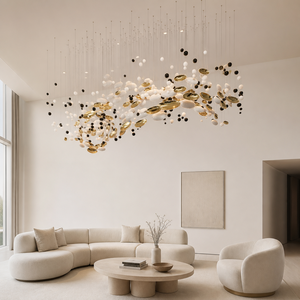
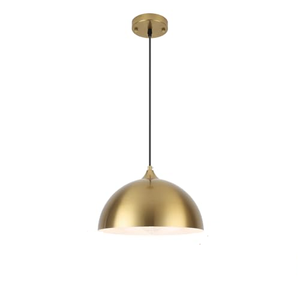
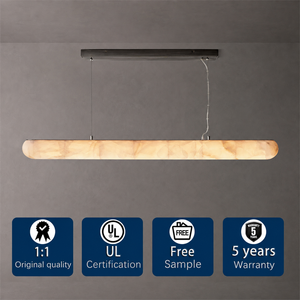
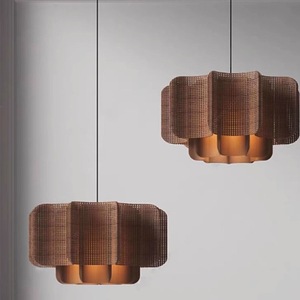
Sri Lanka’s architectural and real estate development landscape is undergoing a dramatic paradigm shift. Driven by a surge in luxury coastal eco-resorts, colonial boutique heritage conversions, and ultra-high-end urban residential towers across Colombo (Districts 01 through 07), Galle Fort, Kandy, and Tangalle, the demand for high-performance decorative and architectural luminaires has escalated. However, international B2B buyers, M&E contractors, and interior specifiers face a distinct environmental challenge: Sri Lanka’s aggressive tropical marine microclimate.
As a leading premier solid brass lamp exporter, our engineering baseline focuses on solving the systemic material failures caused by Sri Lanka's high relative humidity (consistently 75%–90%), elevated ambient temperatures, and dense airborne salt-spray deposition (NaCl aerosols) characteristic of coastal regions like Negombo, Wadduwa, Bentota, and Southern Province coastlines.
Information Gain Insight: Standard imported decorative lighting fixtures manufactured from electroplated zinc alloys, mild steel, or low-grade thin-walled aluminum suffer from severe galvanic corrosion, pit corrosion, and lacquer delamination within 6 to 18 months of exposure to Sri Lanka’s coastal atmospheric conditions. Solid architectural brass (C36000 / C26000) provides a self-passivating oxide barrier, ensuring multi-decade structural integrity and zero rust formation.
To assist architectural specifiers and commercial procurement officers in evaluating total cost of ownership (TCO) and long-term asset value, the matrix below outlines material behaviors under tropical marine exposure:
| Material / Alloy Substrate | Corrosion Resistance Rating (ISO 9223) | Salt Fog Chamber Threshold (ASTM B117) | Verdigris / Oxidation Control | Expected Lifespan in Sri Lanka Coastal Areas |
|---|---|---|---|---|
| Solid Architectural Brass (C36000/C26000) | Class C4 / C5 High Marine | 1,000+ Hours Certified | Controlled Nano-Lacquer Passivation | 25+ Years (Structural Lifetime) |
| Electroplated Mild Steel | Class C1 / C2 Low (Indoor Only) | < 96 Hours (Rapid Failure) | Red Rust Flaking & Bubbling | 1 to 2 Years Maximum |
| Die-Cast Zinc Alloy (ZAMAK) | Class C2 Moderate | 120 Hours (Intergranular Attack) | White Oxide Blistering | 2 to 3 Years |
| Anodized Aluminum Extrusion | Class C3 Moderate Marine | 480 Hours | Pitting & Surface Crevice Corrosion | 5 to 7 Years |
Our export luminaire range utilizes exclusively heavy-gauge solid brass stock. Formed through precise hand-rolling, hot-forging, and silver-brazed joint assemblies, each fixture undergoes a proprietary multi-stage oven-cured electrophoretic clear-coat treatment. This ensures that whether installed in an open-air luxury pavilion in Mirissa or an air-conditioned pent-house overlooking Colombo Port City, the luminaire maintains its pristine satin, antique, or mirror-polished luster without premature tarnishing.
Exporting brass lamps to Sri Lanka requires a deep understanding of local spatial typologies, architectural heritage, and structural lighting requirements. Our engineered brass luminaires are specified across four primary high-growth Sri Lankan development verticals:
Locations: Galle, Bentota, Tangalle, Weligama, Pasikudah.
Application: High-ceiling open dining halls, open-air beach lounges, and private villa verandas where ambient moisture is saturated with salt spray. Heavy brass pendant chandeliers and solid brass wall sconces provide stable weight against ocean breezes and complete resistance to salt vapor degradation.
Locations: Galle Fort UNESCO precinct, Kandy Highland Estates, Colombo Dutch Hospital Zone.
Application: Historic Dutch-Colonial and British-Era architectural refurbishments demand authentic hand-soldered brass lanterns, warm alabaster chandeliers, and antique bronze finished sconces that respect historical aesthetics while incorporating modern 220V-240V energy-efficient LED modules.
Locations: Colombo 03 (Kollupitiya), Colombo 05 (Havelock Town), Colombo Port City.
Application: Modern minimalist interiors requiring sleek linear brass pendants, yellow travertine Wabi-Sabi chandeliers, and multi-light stairwell installations. Integrated phase-cut dimming drivers harmonate seamlessly with modern smart home automation systems.
Locations: Sigiriya, Ella, Nuwara Eliya, Central Highlands.
Application: Nature-integrated wellness resorts utilizing natural stone materials like Spanish alabaster, yellow travertine, and woven rattan combined with solid brass structural stems. High humidity highland forest microclimates demand anti-fungal, moisture-sealed IP44/IP65 junction points.
Through active engagement with Sri Lankan architectural firms, MEP consultants, and hotel development groups, our analytical research identifies three pivotal macro trends shaping the procurement of imported decorative lighting across the island nation:
Commercial developers in Sri Lanka have historically suffered financial losses due to low-quality lighting fixtures imported from generic suppliers that degraded rapidly under humid tropical conditions. The market has aggressively pivoted toward Total Cost of Ownership (TCO) evaluation. Hotel operators in Galle and Colombo now mandate 5-year to 10-year durability guarantees on metallic finishes, positioning solid brass as the primary specification standard for public spaces, lobbies, and guest suites.
Influenced by the legendary architect Geoffrey Bawa, Sri Lankan architectural philosophy heavily emphasizes "Tropical Modernism"—blurring the boundary between indoor spaces and surrounding nature. This has driven high demand for raw natural materials paired with refined metals. Luminaires incorporating natural yellow travertine stone, hand-carved alabaster, and organic cane weaves framed within structured solid brass armatures have become the dominant aesthetic choice for high-end boutique retreats.
Sri Lanka’s average ambient temperatures (often exceeding 32°C indoors in non-AC zones) present severe thermal stress to LED light engines and electronic drivers. Modern import specifications mandate solid brass light fixtures configured as effective passive heat sinks. Heat generated by high-CRI (95+) LED chipsets is rapidly conducted away through heavy solid brass housings, protecting driver capacitors and extending diode operational life beyond 50,000 hours in unconditioned environments.
As a historical lighting manufacturer with a legacy dating back over a century (est. 1905), our factory operates under a single-roof disciplined manufacturing model. Unlike asset-light export trading companies, we own every step of the metalworking cycle—allowing complete control over alloy purity, custom scaling, finishing consistency, and project lead times.
Every luminaire shipped to the Sri Lanka market passes through our specialized internal craft steps:

Bespoke Architectural Customization: Have a high-ceiling atrium project in Colombo Port City or a historical ballroom renovation in Kandy? Our engineering team modifies catalog fixture diameters, extends stem/chain drop lengths, adjusts arm counts, and creates 3D BIM/CAD models within 48 hours for architect approval.
Below are detailed responses to the most critical technical, logistical, and regulatory questions raised by Sri Lankan interior designers, project procurement managers, and lighting distributors:
Unlike standard steel or alloy fixtures that rust or develop unappealing green verdigris spots, our luminaires are crafted from high-purity C36000 architectural brass. Every piece is treated with an electrostatically applied, heat-cured polymer clear lacquer coat tested to withstand 1,000+ hours in ASTM B117 salt spray chambers. This creates an impenetrable barrier against humid marine air in coastal areas like Bentota and Galle.
Sri Lanka operates on a 230V, 50Hz single-phase electrical supply (utilizing Type G British 3-pin plug standards and standard hardwired ceiling junctions). All export luminaires shipped to Sri Lanka are fitted with universal dual-voltage (110V–277V) or 220V–240V high-power-factor (PF > 0.95) dimmable LED drivers. We supply phase-cut (TRIAC), 0-10V, or DALI-2 dimming protocols to ensure full integration with Lutron, Control4, or Schneider building management systems.
We provide full B2B export documentation required by Sri Lanka Customs and commercial banks under Letter of Credit (L/C) or T/T terms. This includes detailed Commercial Invoices, Packing Lists with HS Codes (typically 9405.11 / 9405.42), Country of Origin Certificates (COO), CE/RoHS Safety Test Reports, and IES photometric files. Sea freight shipments are routed directly to Colombo Port (SAGT/JCT terminals) with an average transit time of 14–22 days depending on origin port.
Yes. Because we maintain complete ownership of metal tooling, spin-forming molds, and assembly lines, we routinely custom-scale catalog fixtures. We can extend overall drop lengths up to 10+ meters, expand chassis diameters for spacious hotel voids, alter arm configurations, and engineer specialized mounting plates adapted for heavy timber joists or concrete ceiling structures common in Sri Lankan architecture.
International freight to Sri Lanka involves high humidity ocean transit and multiple handling points. All glass elements, natural alabaster shades, and solid brass components are packed using custom-molded high-density Polyurethane foam, sealed moisture-absorbent desiccant packs, 7-ply corrugated inner cartons, and fumigated ISPM-15 compliant wooden crates to prevent breakage and moisture damage.
Architects and MEP designers working on projects in Sri Lanka can request our physical Metal Finish Sample Box (containing real solid brass swatches of Antique Brass, Satin Gold, Polished Brass, Weathered Bronze, and Matte Black) delivered via DHL express directly to your office in Colombo, Kandy, or overseas design hubs. 3D Revit / CAD / IES files are available for download upon project registration.