Talk to our team800-428-5367
Precision-Engineered Luminaires for Luxury Residential, Commercial, and Exterior Hospitality Projects
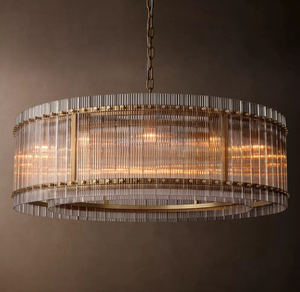
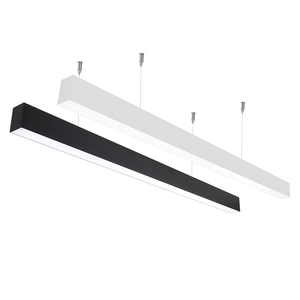
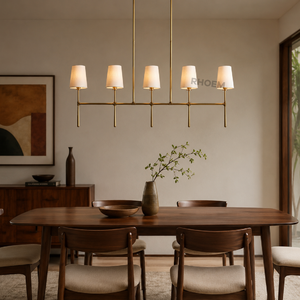
In modern commercial and high-end residential architecture, exterior wall lanterns serve a dual operational role: defining visual building facades and delivering dependable outdoor structural illumination. Selecting a top trusted wall lantern manufacturer and exporter requires looking beyond surface aesthetics. Commercial buyers, global specifiers, and procurement officers must evaluate engineering capabilities, material metallurgy, anti-corrosion finishes, photometrics, and international compliance standards.
As a legacy manufacturer operating within the Chicagoland industrial corridor since 1905, our heritage (originally rooted in Framburg Lighting and under American Lighting Brands) demonstrates that single-roof manufacturing yields superior long-term performance compared to outsourced supply chains. When structural solid brass, cold-rolled steel stock, and hand-finished glass elements are engineered under unified quality systems, the resulting wall lanterns withstand harsh weather variations, marine salinity, and decades of environmental exposure.
"Information Gain in Architectural Specifying: True manufacturing expertise is demonstrated when wall sconces and lanterns are engineered directly from raw metal bar stock, hand-soldered at stress points, and finished with multi-stage sealed patinations."
— Senior Technical Director & Engineering Operations LeadUnlike global brokers who aggregate components from varied third-party sub-contractors, our Bellwood, Illinois workshop operates an vertically integrated production model. Architects, lighting designers, and trade wholesalers benefit directly from this domestic engineering structure:
Flat heavy brass and steel bar stock is precision-formed into structural lantern arms, backplates, and trim cages.
Joints are flame-soldered using high-strength alloy wires to prevent thermal fracture and moisture ingress.
Metal surfaces undergo progressive manual buffing to establish uniform grain profiles for chemical bonding.
Hand-applied chemical patinas, anodizing, and clear-coat lacquers create weather-tested protective barriers.
100% electrical high-pot testing, IP seal verification, and optical alignment before export freight packaging.
For international buyers evaluating commercial wall lantern tenders, selecting the correct substrate is crucial for lifecycle cost optimization. The table below highlights key performance attributes across common exterior lighting metals based on ASTM standards:
| Material Substrate | Corrosion Resistance (ASTM B117) | Structural Durability | Custom Finish Versatility | Recommended Application Zones |
|---|---|---|---|---|
| Solid Architectural Brass (C36000) | Exceptional (5,000+ Hrs Salt Spray) | High Structural Integrity | Polished, Antique, Verdigris, Raw Patina | Coastal Resorts, High-End Residential, Historic Restorations |
| Marine-Grade 316 Stainless Steel | Superior (3,000+ Hrs Salt Spray) | Maximum Tensile Strength | PVD Coating, Brushed Satin, Matte Powder | Extreme Marine Environments, Urban High-Rises |
| Heavy Die-Cast Aluminum (A360) | Moderate to High (1,000 Hrs Powder Coated) | Medium Strength / Lightweight | Architectural Polyester Powder Coat | Commercial Developments, Multi-Family Subdivisions |
| Standard Cold-Rolled Steel | Requires Multi-Layer E-Coating | High Rigid Load Capacity | Baked Enamel, Matte Black, Bronze Powder | Covered Exterior Entryways, Semi-Enclosed Courtyards |
Global procurement metrics indicate a major shift in how architects and developers specify exterior wall lanterns. Buyers are moving away from disposable, short-lifecycle fixtures toward long-lasting, smart-enabled architectural lighting assets. Key industry macro-trends include:
Municipal codes worldwide increasingly require cut-off optics that eliminate upward spill light. Modern lanterns integrate concealed LED light engines with engineered reflectors to direct lumens downward, reducing skyglow while preserving warm ambient illumination.
Leading exporters are integrating miniaturized DALI-2, Zigbee 3.0, and microwave motion sensors inside traditional brass sconces. This enables automated daylight harvesting, scheduling, and building management system (BMS) integration without altering classic exterior aesthetics.
With tightening ESG specifications, commercial projects demand fixtures designed for circular maintenance. Instead of discarding entire light units when light sources age, modular driver trays and quick-disconnect LED boards allow easy field servicing over decades of operation.
Wall lanterns face tough outdoor environmental conditions, including wind-driven rain, freezing condensation, UV exposure, and high ambient heat. Technical advances in structural luminaire engineering have redefined performance expectations:
Advanced Gasketing & Ingress Protection (IP65/IP66): Premium outdoor sconces feature continuous silicone gaskets with channel-lock seals surrounding glass panels and backplate junctions. This engineered barrier prevents water penetration and deters insects, reducing routine maintenance cycles for property managers.
Thermal Dissipation Dynamics: High-output LEDs generate significant heat at the diode junction. Premium wall lanterns utilize integrated cast-aluminum heat sinks and passive convective airflow paths within the upper lantern chimney, keeping junction temperatures low and extending operational LED lifespan beyond 60,000 hours (L70 standard).
Optical Customization & Glass Diffusion: From mouth-blown seeded glass to frosted opalescent diffusers, optical options allow specifiers to control glare while achieving desired lumen distribution. Architectural projects often leverage custom optical lenses to achieve precise beam angles across exterior corridors and entrance portals.
Clear Technical Answers for Lighting Specifiers, Wholesale Importers, and Project Contractors
Standard catalog configurations feature flexible MOQs starting at low thresholds for specialized project specifications. For custom OEM/ODM architectural modifications (such as scaled backplates, custom arm profiles, or non-standard finishes), production lead times typically range from 4 to 6 weeks following CAD drawing sign-off and prototype verification.
For coastal and marine environments, we recommend specifying solid brass (C36000) or marine-grade 316 stainless steel. Our coastal finishing program includes automated multi-stage ultrasonic degreasing, hand-applied patination, and a marine-grade clear polyurethane baked lacquering process tested to withstand ASTM B117 salt spray exposure for over 5,000 continuous hours.
Yes. All manufactured luminaires can be wired and certified to meet regional standards worldwide. We support North American UL / cUL standards (120V-277V universal drivers), European CE compliance, UKCA markings, and international CB scheme requirements for commercial real estate developments.
Because we own complete metal forming, rolling, and finishing lines at our Bellwood, Illinois facility, we routinely modify existing designs. Our engineering team can scale overall fixture proportions, alter arm projections, adjust socket counts, integrate title-24 compliant sensors, or match historical patina samples provided by restoration architects.
Export shipments are protected using custom ISTA-certified packaging. Glass panels are individually wrapped in impact-absorbing foam, and luminaire frames are suspended inside double-wall corrugated containers using high-density molded polyurethane foam-in-place systems, ensuring zero displacement during international sea or air transport.
Access comprehensive CAD libraries, photometrics (IES files), material finish samples, and direct manufacturer pricing for your upcoming project specifications.
Get Catalog