
Talk to our team800-428-5367
Explore our direct factory supply portfolio covering industrial marine hardware, high-end architectural illumination, low-profile telecom enclosure locks, and smart surface integration modules.
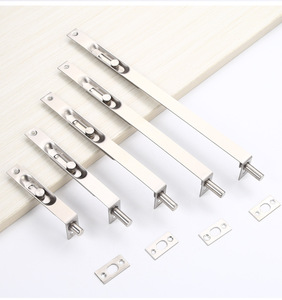
In modern industrial design, architectural lighting, and marine structural hardware, the transition toward sub-surface flush-mount technology represents far more than an aesthetic preference. Flush mounting—the technique of recessing mechanical hardware, electrical interfaces, or luminaires perfectly level with surrounding substrate planes—eliminates structural protrusions, drastically reduces aerodynamic and hydrodynamic drag, prevents physical snagging, and upholds strict hygiene and anti-vibration standards.
Global procurement teams navigating the flush-mount supply chain face complex engineering trade-offs. Selecting top-tier flush-mount factories requires evaluating metallurgical integrity, precision deep-draw stamping capabilities, thermal management, surface passivation, and ingress protection (IP ratings). As commercial architecture, telecommunications infrastructure, luxury yachting, and office automation demand higher aesthetic seamlessness, certified original equipment manufacturers (OEMs) must deliver sub-millimeter manufacturing tolerances consistently across mass production runs.
Utilizing high-tonnage hydraulic presses and progressive dies to form seamless, single-piece metal housings without micro-fractures, ensuring maximum structural rigidity and water-tight integrity.
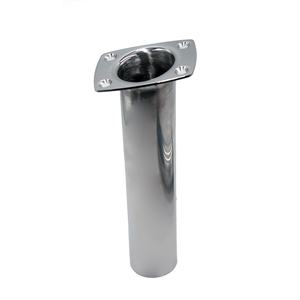
Deployment of electropolished 316 and 316L stainless steel formulations engineered to withstand hostile saltwater environments and high-stress marine mounting conditions.
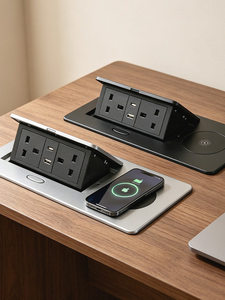
Precision desktop and architectural flush-mount modules integrating wireless Qi charging, pop-up mechanical dampeners, high-speed Wi-Fi, and surge-protected power distribution.
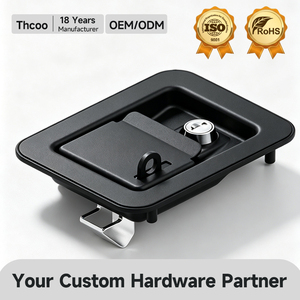
Enclosure latching systems certified for telecommunication and utility cabinets, featuring dynamic compression gaskets, concealed bolts, and flush panel locks resistant to seismic disturbance.
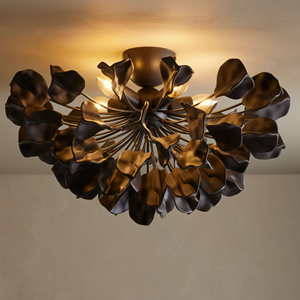
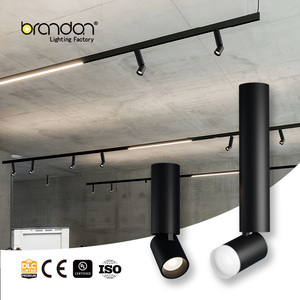
Architectural ceiling flush mounts engineered with high color rendering index (CRI90+), dimmable driver topologies, custom optical lenses, and optimized passive heat sinking.
Bridging traditional artisan metallics with automated manufacturing—incorporating hand-rolled solid brass, meticulous hand-soldering, and multi-stage organic finishing.
Rooted in over 120 years of continuous American manufacturing excellence (since 1905), our single-roof production model in Chicagoland unites tooling, metal rolling, hand-buffing, precision stamping, and final assembly under strict ISO quality control protocols. Unlike pure traders or assembly-only importers, direct controlling of the finishing line enables custom dimensions, modified arm counts, tailored voltage modules, and bespoke finish matching for demanding architectural and industrial specifiers worldwide.
When selecting a qualified flush mount factory, procurement leaders must classify products according to mechanical strain, environmental exposure, and operational frequency. The four primary commercial domains include:
Electrical housings and telecommunication nodes installed outdoors require specialized panel-mount latches. Anti-vibration T-handle flush latches utilize adjustable recess depths combined with neoprene or EPDM compression gaskets. This guarantees an IP65 to IP67 seal preventing dust ingress and moisture penetration, while preventing latch opening during severe operational vibration.
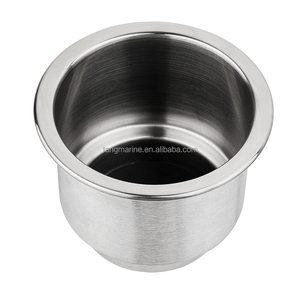
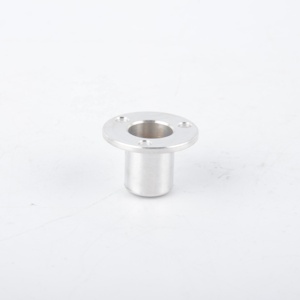
In saltwater environments, standard 304 stainless steel succumbs to pitting corrosion within months. Leading marine suppliers specialize in cold-worked, mirror-polished 316 stainless steel rod holders, cup brackets, and flag pole sockets. Deep-draw stamping technology ensures zero weld seams along interior cylindrical walls, preventing crevice corrosion and optimizing structural load tolerance.
Architectural flush mounts eliminate visual clutter in low-clearance residential and commercial interiors. Technical specifications prioritize high CRI (Color Rendering Index) performance, flicker-free dimming capabilities (0-10V / TRIAC), handcrafted ceramic or brass bezels, and thermally isolated driver enclosures that protect ceiling substrates from LED junction heat accumulation.
Modern office environments prioritize concealed connectivity. Pop-up flush mount desktop power units combine lightweight aluminum alloy frames with pneumatic dampening springs. Incorporating wireless induction pads, USB-C Power Delivery (PD), and Ethernet pass-throughs directly into executive conference tables demands exact CNC cutout tolerances and flame-retardant internal wiring enclosures.
Evaluate performance parameters across key manufacturing categories to streamline project specification.
| Category | Primary Material | Surface Finish Options | Ingress / Mechanical Rating | Customization Scope | Primary Industrial Standards |
|---|---|---|---|---|---|
| Industrial Enclosure Latches | Zinc Alloy / 304 Stainless Steel | Matte Black Powder Coat, Passivated Chrome | IP65 - IP67 / IK09 | Key Code Matching, Cam Offset Adjustment | RoHS, REACH, UL94-V0 |
| Marine Deck Accessories | 316 & 316L Stainless Steel | Mirror Hand-Polished (800 Grit) | ASTM B117 500-Hr Salt Spray Certified | Flange Width, Mounting Hole Pitch | ISO 8846, ABYC Standards |
| Architectural Ceiling Flush Mounts | Solid Brass / Die-Cast Aluminum | Antique Brass, Hand-Buffed Nickel, Ebony Ceramic | IP44 Damp Location / UL Listed | Color Temperature (2700K-5000K), Optics Angle | UL 1598, CE, Energy Star |
| Desktop Smart Power Modules | 6063-T5 Anodized Aluminum | Brushed Silver, Satin Anodized Black | NEMA 1 / IP20 Waterproof Top Face | Socket Configuration, Wireless Module Wattage | FCC Part 15, CE, UL 962A |
| Structural Glass Partitions | 316 Stainless Steel / High-Tensile Steel | Satin Brushed, PVD Gold Coating | High Mechanical Shear Strength (>15kN) | Glass Thickness Adaptors (8mm - 21.5mm) | EN 12600, ASTM E1300 |
The global market for flush-mount components is undergoing rapid technological evolution. As buyers and enterprise procurement officers evaluate OEM supplier contracts, three macro trends dictate the next decade of product development:
Environmental regulations and aggressive physical deployment conditions are driving adoption of nano-ceramic physical vapor deposition (PVD) coatings. PVD provides extreme surface hardness (exceeding 2000 HV) and friction resistance while preserving intricate metallic luster. Furthermore, eco-compliant citric acid passivation is rapidly replacing legacy nitric acid chemical baths in stainless steel component finishing.
As architectural flush luminaires decrease in vertical clearance—now frequently designed under 35mm total depth—thermal management becomes critical. Premier factories are integrating phase-change materials (PCM) and graphite heat spreaders directly into stamped housing walls, maintaining low LED junction temperatures without bulky external aluminum heat sinks.
Flush mounting is no longer passive. Power sockets, desktop architectural hubs, and commercial lighting fixtures are increasingly equipped with integrated IoT sensors, occupancy monitors, dynamic wireless charging coils, and mesh network relays. Factories capable of co-molding structural metals with RF-transparent polymers possess a strong competitive advantage.
To ensure supply chain resilience and eliminate batch-to-batch non-conformity, verify your flush mount manufacturing vendor against four critical operational benchmarks:
Technical and logistics answers for engineers, architects, and sourcing directors.
316 stainless steel contains 2-3% molybdenum, which dramatically increases its resistance to chloride pitting and crevice corrosion compared to 304 stainless steel. For marine deck hardware, rod holders, or outdoor coastal installations, 316 (or 316L low-carbon variant) is essential for long-term structural integrity and salt spray resistance.
Yes. Because top manufacturers control tooling and finishing in-house, custom dimensions—such as altered flange widths, special stem lengths, arm counts, and bespoke hand-applied metal finishes (e.g., antique brass, oil-rubbed bronze, matte black, or hand-buffed nickel)—can be customized to architectural drawings.
Anti-vibration latches feature a dynamic compression shaft mechanism. When rotated, the latch cam engages the frame and pulls the cabinet door inward against a perimeter synthetic rubber gasket (EPDM or Silicone). This constant mechanical pressure maintains the IP67 seal despite heavy machinery or road transport vibrations.
Desktop flush power modules must comply with regional electrical safety standard certifications, such as UL 962A (Furniture Power Distribution Units) in North America, CE marking in Europe, and FCC Part 15 for wireless inductive charging components. Verify that internal wiring is flame retardant (UL94-V0 rated).
Deep-draw stamping converts a single flat metal sheet into a deep cylindrical cavity using high-pressure hydraulic dies. This eliminates welded joints, producing a smooth surface that resists stress cracking, cleans effortlessly, and eliminates potential leak paths in liquid-retaining recessed applications.
Connect with our engineering and sales department to review CAD drawings, request finish samples, or obtain bulk trade pricing for your project.