
Talk to our team800-428-5367
Engineered for luxury residential, architectural landscape, commercial hospitality, and historical restoration projects.
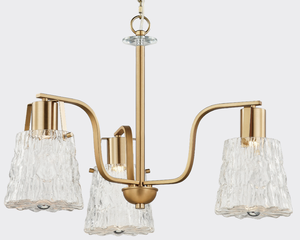
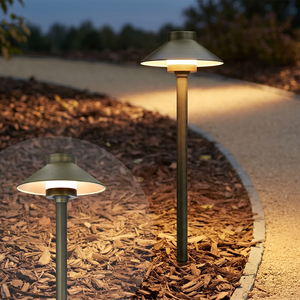
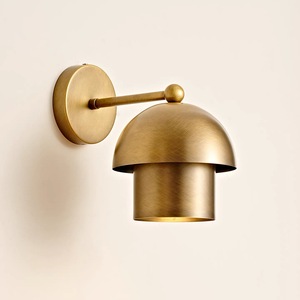
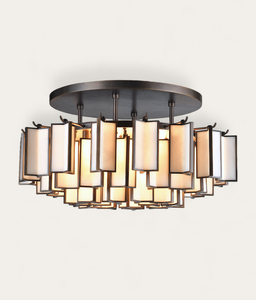
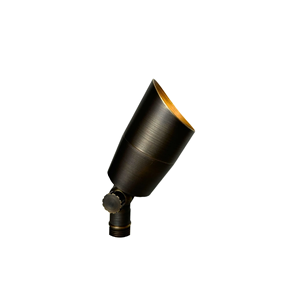
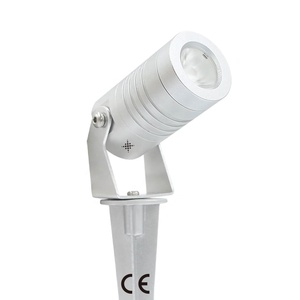
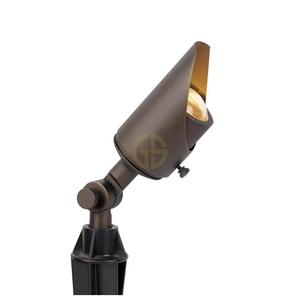
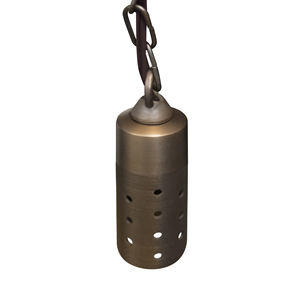
The global architectural and high-end residential lighting market is undergoing a structural transition toward enduring metal alloys, sustainable low-voltage electronics, and bespoke artisan hand-finishing. As global specifiers, importers, lighting dealers, and procurement contractors evaluate manufacturing partners, China’s tier-one bronze and solid brass lighting factories stand out as centers of metallurgical excellence and engineering agility.
Unlike standard aluminum or zinc die-cast manufacturers who rely on temporary powder-coating layers to mask sub-par base metals, premier China bronze lighting factories utilize high-density solid brass (H59/H62 alloy standards) and investment cast copper-tin alloys. These materials possess natural resistance to oxidation, galvanic corrosion, and mechanical wear. Through a single-roof integration model—where mechanical drawing, mold making, lost-wax casting, 5-axis CNC machining, hand soldering, multi-stage buffing, and chemical patination occur under strict quality protocols—leading exporters deliver structural longevity matching historical centuries-old fixtures.
Information Gain Insight: Genuine architectural bronze lighting does not depend on painted surface coats. True B2B procurement standard demands chemical patination (accelerated electrochemical oxidation) on heavy-gauge solid brass or cast bronze. This ensures that even when scraped, scratched, or subjected to severe coastal salt-spray, the exposed metal forms a protective, self-healing oxide patina rather than flaking or corroding.
Navigating global lighting procurement requires understanding the technological and regulatory shifts redefining the sector. When sourcing outdoor landscape lights, interior brass sconces, and grand architectural chandeliers, global buyers must align with factories driving four major procurement trends:
Global demand is rapidly shifting away from dangerous high-voltage line current toward 12V/24V low-voltage landscape and indoor systems. Integrated potted drivers accept wide input ranges (9-15V AC/DC) with built-in thermal fallback protection.
Buyers are moving past basic lacquer coatings. Modern specifications mandate vacuum Physical Vapor Deposition (PVD) or hand-applied acid patination to withstand 500+ hours of ASTM B117 salt spray testing in coastal regions.
Sustainability protocols (including EU EcoDesign directives) penalize non-repairable fixtures. Premium bronze factories manufacture modular MR16, GU10, and drop-in COB light engines allowing quick field maintenance without discarding the heavy brass housing.
Furthermore, eco-conscious engineering is driving lead-free brass compliance. Premium Chinese exporters utilize specialized low-lead brass alloys (compliant with California Prop 65 and RoHS 3 directives) ensuring that underwater brass light fixtures and residential sconces present zero environmental hazards during production, installation, and lifecycle handling.
Architectural lighting design is witnessing a convergence of classic tactile weight and minimalist geometric modernism. The industry is departing from mass-produced, paper-thin stamped metals in favor of structural integrity and rich material contrast. Key developments include:
To assist specifiers and buyers in making data-driven purchasing decisions, the following engineering matrix outlines the technical superiority of export-grade solid brass and bronze luminaires over commodity lighting products:
| Engineering Parameter | Export-Grade Solid Brass / Cast Bronze | Standard Die-Cast Aluminum Fixtures |
|---|---|---|
| Base Metal Composition | H59/H62 Machined Solid Brass / Cu-Sn Alloy Bronze | ADC12 Recycled Aluminum Alloy (High Silicon/Iron) |
| Corrosion Resistance Rating | 500+ Hours ASTM B117 Salt Spray (Impervious to rust) | 48–96 Hours ASTM B117 (Susceptible to white rust/flaking) |
| Surface Finish Technology | Hand Patination, Passivated Antique Bronze, PVD Sputtering | Single/Double Layer Electrostatic Powder Coating |
| Ingress Protection Capability | IP67 to IP68 Dual Silicone O-Ring Threaded Seal | IP54 to IP65 Foam Gasket Compression |
| Expected Service Lifespan | 20 to 50+ Years (Lifetime Structural Frame Integrity) | 3 to 5 Years (Subject to coating degradation) |
| Thermal Heat Dissipation | High Thermal Conductivity (~115 W/m·K) protects LED longevity | Moderate Conductivity (~96 W/m·K) affected by powder coat insulation |
Standing as a premier division in global architectural illumination, our factory operations integrate traditional artisan craft with modern computerized manufacturing discipline. Tracing our technical capabilities back to over a century of refined metalworking principles, every light fixture undergoes five non-negotiable manufacturing stages:
Raw solid brass and copper stocks are hand-rolled and high-pressure extruded into seamless tubing, solid stems, and architectural canopies, ensuring flawless structural strength.
Structural metal joints are hand-brazed using high-silver alloy solder rather than spot welds or toxic adhesives, preventing structural fatigue over decades of load-bearing suspension.
Before surface coloring, skilled craftsmen execute multi-stage cotton-wheel buffing to eliminate micro-burrs and tool marks, preparing an ultra-smooth metal substrate.
Fixtures are hand-dipped in specialized chemical baths to induce authentic antique bronze, oil-rubbed bronze, or aged brass finishes that age gracefully over time.
100% of outdoor landscape fixtures undergo hydrostatic pressure immersion tests, high-voltage insulation breakdown checks, and integrating sphere photometric validation.
Architects and project specifiers receive 3D CAD modeling, photorealistic rendering, and 72-hour physical sample turnarounds for bespoke hospitality and estate projects.
Everything global importers, distributors, and project managers need to know about custom manufacturing, shipping, and quality assurance.
Solid brass (H59/H62 copper-zinc alloy) contains virtually no iron, rendering it completely immune to red rust. When exposed to coastal salt spray, high humidity, or acidic soils, aluminum fixtures suffer from galvanic corrosion and powder-coat flaking. Solid brass forms a natural, protective surface oxide (patina) that preserves structural integrity indefinitely, making it the industry standard for high-end landscape architecture.
Yes. Because we control complete in-house tooling, CNC machining, lost-wax casting, and finishing lines, we routinely modify fixture dimensions, overall drop heights, arm counts, socket configurations, and glass shades. Furthermore, our engineering team can match custom finish physical samples provided by interior designers or historic restoration architects.
Our bronze and brass lighting products are engineered to meet global compliance standards. We offer products certified under ETL / cETL (UL 1598 and UL 1838 standards for North America), CE, RoHS, and IP67/IP68 ingress ratings for outdoor/underwater luminaires. Factory test reports, IES photometric files, and wiring schematic documentation are provided with all commercial shipments.
For standard catalog items with custom finish specifications, typical lead times range from 15 to 25 business days. For fully custom OEM project designs requiring 3D CAD modeling and custom casting molds, initial sample evaluation requires approximately 7 to 10 days, with full containerized production completed within 35 to 45 days.
Our 12V low-voltage brass spot lights and inground well lights incorporate intelligent wide-voltage Constant Current drivers (accepting 9V–15V AC/DC inputs). This internal regulation counteracts line voltage drops over extended wire runs, ensuring uniform light output, color temperature (2700K/3000K), and lumen efficiency across all fixtures connected to the multi-tap transformer.