
Talk to our team800-428-5367
High-performance LED strip modules, CAN-bus ambient car lighting, and bespoke architectural pendants engineered for global OEM specs.
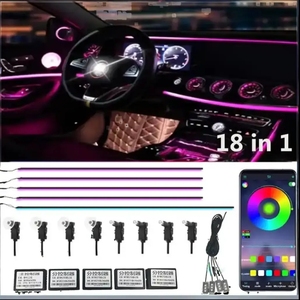
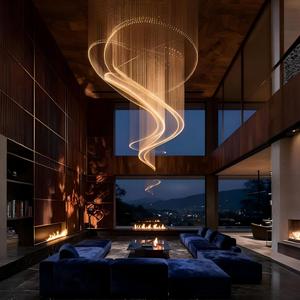
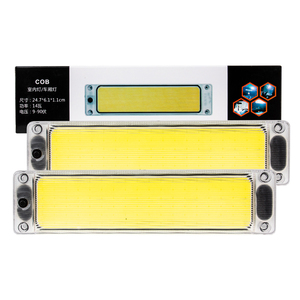
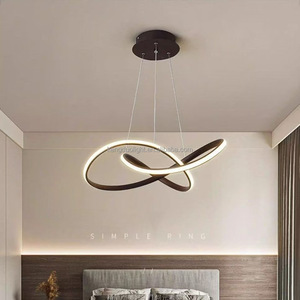
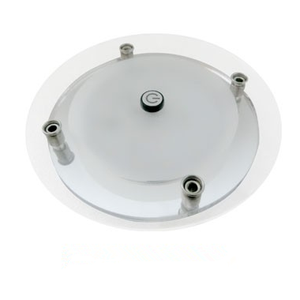
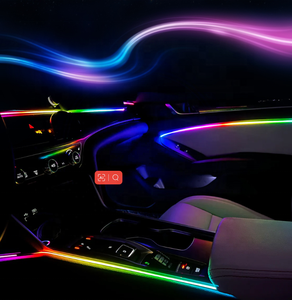
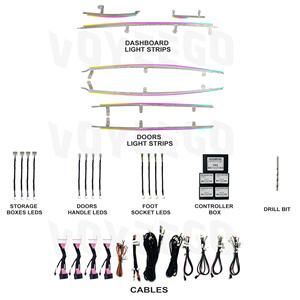
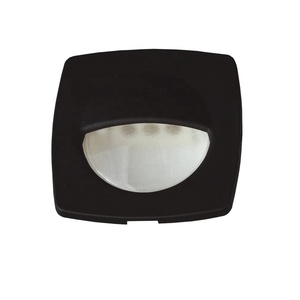
From low-voltage CAN-bus integrated automotive ambient kits to high-voltage architectural LED fixtures, our manufacturing facilities adhere to strict DFM (Design for Manufacturability) protocols.
Mastering addressable micro-LED chasing modes (18-in-1, 22-in-1 configurations) with customized MCU programming, Bluetooth App sync, and seamless OE panel integration.
Combining single-roof production—hand-rolled, hand-soldered, hand-buffed, and finished brass metallurgy—with modern automated high-volume optical extrusion lines.
In the contemporary B2B procurement ecosystem, selecting a qualified Custom OEM Interior Lighting Manufacturer requires navigating complex engineering benchmarks, stringent photometric requirements, and dynamic technological shifts. Modern interior lighting is no longer merely decorative; whether applied to automotive passenger cabins, marine yachts, luxury commercial real estate, or high-ceiling residential villas, illumination serves as an interactive bridge between ergonomics, spatial aesthetics, and intelligent digital control.
Tier-1 automotive OEMs and architectural specification firms are increasingly moving away from off-the-shelf catalog sourcing toward full-stack OEM/ODM customization. This strategic pivot is driven by the demand for addressable RGBIC dynamic chasing effects, miniaturized light guides, ultra-thin profiles, and zero-defect thermal dissipation architectures. This comprehensive whitepaper examines the critical manufacturing standards, future technology trajectories, and strategic procurement frameworks necessary to optimize your global lighting supply chain.
Our manufacturing lineage operates under a disciplined single-roof workflow. Unlike catalog assembly intermediaries, our dedicated production complexes handle design drawing, metal rolling, precision soldering, manual buffing, automated electroplating, and SMT circuit board assembly directly under one corporate umbrella.
Flat brass, extruded aluminum, and automotive-grade ABS/PC stock are shaped via high-precision CNC tooling and proprietary forming equipment.
Automated SMT lines combined with manual silver soldering ensure structural rigidity and permanent electrical continuity under severe vibration test protocols.
Five sequential hand-buffing and electro-deposition coats ensure immaculate surface optics, rust isolation, and color consistency across massive batch production runs.
Analyzing technological convergence between automotive cabin ambient systems and high-end architectural space lighting.
The market is rapidly shifting from legacy single-color or multi-color static RGB LEDs to individually addressable RGBIC (Integrated Circuit) chasing technology. Modern automotive cabin systems (such as 18-in-1 and 22-in-1 kits) now mandate direct LIN-Bus / CAN-Bus control module synchronization, enabling lighting to dynamically signal vehicle status, door open warnings, and music frequency beats without secondary latency.
Architects and automotive interior designers demand "invisible light sources"—fixtures that provide homogeneous light output while remaining completely concealed during non-illuminated states. OEM factories are investing heavily in acrylic side-emitting optical fibers, laser-etched light guide plates (LGP), and flexible, ultra-thin silicone diffusors engineered for seamless panel integration.
Sourcing buyers are prioritizing suppliers capable of manufacturing spectral-tuned LEDs. From commercial real estate installations to luxury vehicle cockpits, interior lighting systems must auto-adjust color temperature (2200K to 6500K) based on circadian timeframes, minimizing driver fatigue and optimizing biological wellness in residential and workplace settings.
Global environmental regulations (RoHS, REACH) and strict automotive electromagnetic compatibility (EMC CISPR 25 Class 5) mean OEM suppliers must utilize recycled solid brass alloys, mercury-free LED chips, and shielded control modules that eliminate radio frequency interference within modern electric vehicles (EVs).
Technical parameter benchmark for procurement engineers and specifiers.
| Engineering Parameter | Automotive OEM Interior Lighting | Architectural & Villa OEM Lighting |
|---|---|---|
| Operating Voltage | 12V – 24V DC (Wide input tolerance 9V-16V) | 110V – 240V AC / 24V Low Voltage DC Systems |
| Control Protocols | LIN-Bus, CAN-Bus, BLE App, IR Remote | DMX512, DALI-2, 0-10V, Zigbee 3.0, Matter |
| Thermal Management | Extruded Aluminum Substrates, Tjunction < 95°C | Passive Solid Brass/Copper Heatsinks, Die-cast Al |
| Ingress Protection (IP) | IP65 to IP67 (Vibration & Fluid Splash Resistant) | IP20 (Interior Dry) to IP65 (Moisture/Bath Areas) |
| Color Rendering Index | CRI > 80 Ra (Focus on RGB saturation) | CRI > 95 Ra, R9 > 80 (High fidelity color render) |
| Quality Certifications | IATF 16949, E-Mark (ECE R10), CE, RoHS | UL, CE, ETL, FCC, ISO9001 |
Essential insights covering tooling timelines, MOQ thresholds, custom mold capabilities, and compliance.
For custom automotive interior light housings or unique architectural aluminum profiles, initial 3D DFM analysis takes 3-5 business days. T1 prototype sample tooling is typically completed within 18-25 calendar days, followed by mass production tooling within 35 days upon initial sample sign-off.
Yes. Because we own complete metal-rolling, stamping, and electroplating lines, we routinely adjust diameters, stem lengths, arm counts, and finish specs (such as hand-buffed antique brass, matte black, or brushed titanium nickel) to align with specific project drawings.
Our automotive OEM ambient light controllers feature integrated decoders and load resistors engineered specifically to emulate OE impedance. This guarantees seamless plug-and-play installation without triggering error codes or dashboard warnings in sensitive vehicle electrical networks.
For standard catalog adaptations (e.g., customized wire length or special packaging), MOQs start as low as 100 sets. For fully custom tooling (proprietary plastic injection molds or custom brass castings), initial MOQs generally range from 500 to 1,000 units depending on component complexity.
All manufactured lighting products undergo strict internal reliability testing, including salt spray corrosion tests, thermal shock chamber cycling, and vibration endurance. Products carry UL, CE, RoHS, and FCC certifications based on target destination markets.
Architects, interior specifiers, and OEM sourcing directors can instantly request comprehensive product catalogs, technical drawing packages, and IES photometric distribution data by contacting our engineering desk directly via the CTA button on this page.
Connect directly with our senior OEM engineering support team for instant access to full technical specs, master catalogs, custom tooling quotes, and volume tier pricing.