
Talk to our team800-428-5367
Explore our precision-engineered, customizable luminaire lines manufactured to rigorous North American and European architectural standards.
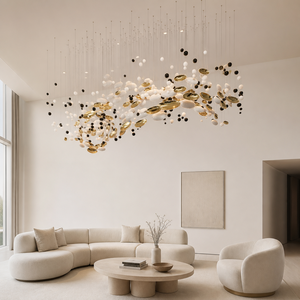
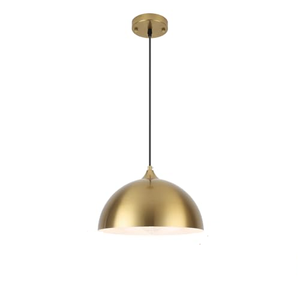
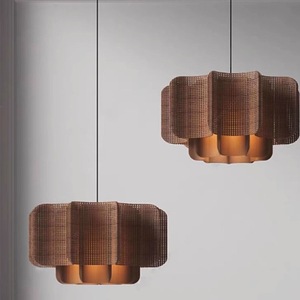
The global task lighting market is undergoing a seismic paradigm shift. What was historically viewed as a simple desk fixture has evolved into a highly engineered visual comfort device, incorporating human-centric optical engines, precision metal finishes, and integrated IoT protocols. For commercial specifiers, wholesalers, brand owners, and procurement directors, identifying a reliable **China wholesale desk lamp factory** requires looking beyond catalog unit prices to evaluate underlying manufacturing discipline, toolmaking autonomy, and photometric integrity.
"In modern commercial and residential spec-driven environments, the value of a lighting supplier is measured by its engineering tolerances, color-rendering consistency (CRI > 98, R9 > 90), and the seamless integration of solid metallics with optical diffusion systems."
As the commercial contract sector demands strict compliance with global energy regulations (such as Title 24, ErP Directives, and UL 153/1598 standards), OEM/ODM buyers are migrating toward factories that maintain vertical control over raw material forming, precision joint soldering, automated surface plating, and photobiological safety testing. China’s primary lighting clusters—spanning Guangdong and Eastern industrial zones—provide unrivaled manufacturing agility, provided procurement partners establish structured auditing frameworks.
Rooted in over a century of artisan metalworking tradition—inspired by heritage American brass founding and elevated by advanced CNC machining—our manufacturing model stands apart from mass-commodity assemblers.
We work directly with high-density brass alloys and structural steel. Components are hand-rolled, cold-drawn, and precision-machined to ensure flex resistance and everlasting structural rigidity across all desk lamp hinges and stems.
Because our factory owns the complete tooling and die-casting infrastructure, we modify arm lengths, canopy profiles, joint articulation, and shade proportions to exact specifier drawings without exorbitant initial NVR costs.
From polished brass and deep bronze oxidation to PVD titanium vacuum plating and physical hand-buffing, our multi-stage electro-coating and sealing line prevents tarnishing, corrosion, and fingerprint oils over decades of active use.
Raw metal stock is shaped using calibrated forming rollers to eliminate internal alloy stress.
Joints are hand-soldered with high-silver content brazing for seamless, high-strength structural continuity.
Surfaces undergo hand-guided cotton wheel buffing to clear microscopic tool chatter before finishing.
Environmentally sealed protective layers are electro-deposited for high scratch and chemical resistance.
100% of finished fixtures undergo hi-pot electrical isolation testing, flicker verification, and optical alignment.
The commercial desktop sector is rapidly phasing out standard blue-pump LEDs in favor of SunLike full-spectrum chips. These emitters replicate natural sunlight, significantly reducing eye fatigue during prolonged work hours. Buyers are prioritizing fixtures with CRI > 97, R9 > 90, and flicker percentages under 0.5% (compliant with IEEE 1789-2015 limits).
Modern desk lamps are no longer standalone devices. Future-proof procurement demands seamless compatibility with wireless smart ecosystems—including Matter, Zigbee 3.0, Bluetooth Mesh, and wired DALI-2 systems for commercial office towers. Integrated Qi2 fast wireless charging pads embedded in solid brass bases are also becoming baseline specifications.
Design trends indicate a strong move toward tactile, organic materials combined with machined metals. The integration of genuine Spanish alabaster, travertine stone shades, hand-blown seeded glass, and acoustic linen wraps allows desk lamps and task lighting to bridge the gap between technical utility and luxury interior styling.
European and North American regulatory bodies are enforcing repairability and circularity rules. Leading factories now engineer desk lamps with modular, user-replaceable LED light engines and quick-disconnect driver boards, ensuring the fixture chassis can be maintained indefinitely without discarding structural metalwork.
When sourcing from China, evaluating technical component specs is critical to preventing field failures, warranty disputes, and brand reputational damage.
| Evaluation Vector | Tier-1 OEM/ODM Enterprise Factory | Low-Cost Commodity Supplier |
|---|---|---|
| Primary Materials | H65 Solid Brass, Extruded Aviation Aluminum, Genuine Alabaster | Recycled Zinc Alloy Die-Casting, Hollow Thin-Walled Iron Sheet |
| Optical Engine | SunLike Full Spectrum, CRI 98+, R9 > 90, Zero-Flicker IC Driver | Generic SMD2835 LEDs, CRI < 80, High Optical Ripple/Flicker |
| Surface Protection | Hand-Buffed + Electrophoretic Sealing + Vacuum PVD Coating | Single-Layer Solvent Spray Paint (Prone to Peeling/Oxidation) |
| Thermal Management | Direct-Bond Aluminum PCB with Passive Copper Heat Pipes (<55°C) | Minimal Heat Sink, Elevated Junction Temp (>85°C, Rapid Lumen Decay) |
| Smart Integration | DALI-2, 0-10V, Matter, Zigbee 3.0, Integrated Qi2 Charging | Basic On/Off Cord Switch or Unregulated Capacitive Touch |
| Compliance & Certification | Full UL 153/1598, CE-LVD, CE-EMC, RoHS, FCC, SAA File Coverage | Uncertified Assembly, Falsified CE Marking, No UL Safety Files |
Our standard MOQ for catalog models is 30 to 50 units per finish code. For custom OEM/ODM architectural projects requiring customized tooling, modified arm counts, or specific material finishes (such as travertine or alabaster), the baseline MOQ is typically 100 units. We offer initial prototype sample runs for specification approval prior to mass production.
All task luminaires are engineered with universal input LED driver architectures (100V–277V AC, 50/60Hz) with Class II isolation or solid grounding chassis. We provide pre-certified configurations compliant with UL 153 (portable electric lamps), UL 1598, CE, SAA, and PSE requirements depending on your target destination market.
Yes. Because we control our own stamping, brass spinning, CNC milling, and plating operations, we routinely adjust stem heights, shade diameters, articulation points, glass density, and metal finishes to meet the precise requirements of hospitality, commercial office, and high-end residential interiors.
We supply comprehensive IES and LDT photometric files generated via integrated goniophotometer testing in our internal lab. Specifiers can readily import these files into Dialux, Relux, or AGi32 software to calculate lux levels, beam spreads, and Unified Glare Ratings (UGR) for complete office layouts.
Standard prototype development takes 10 to 14 business days. Upon final engineering sign-off and deposit receipt, mass production lead times range from 30 to 45 calendar days, depending on finish complexity and custom glass or stone component sourcing schedules.
Every brass component undergoes ultrasonic degreasing followed by an oven-cured clear electrophoretic coating or PVD vacuum deposition. Products are packed in moisture-sealed VCI (Vapor Corrosion Inhibitor) polybags alongside industrial desiccant packs, fitted into high-density EPE foam cradles to withstand ocean transport humidity.
Connect with our senior engineering and procurement team to discuss project specifications, request finish sample kits, or initiate custom OEM/ODM prototype development today.
Inquire Now