
Talk to our team800-428-5367
Engineered for commercial projects, luxury hospitality, and high-end residential interiors. Explore custom brass, alabaster, and vitreous ceramic luminaires manufactured to strict UL/CE safety protocols.
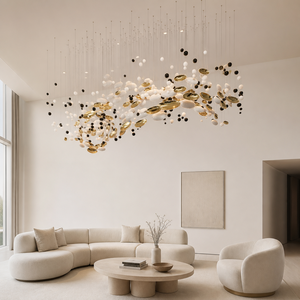
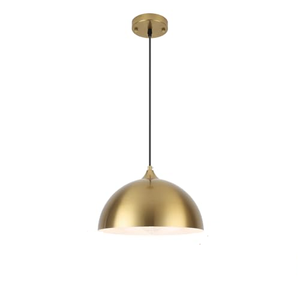
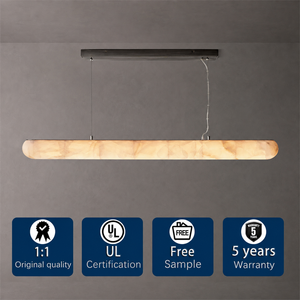
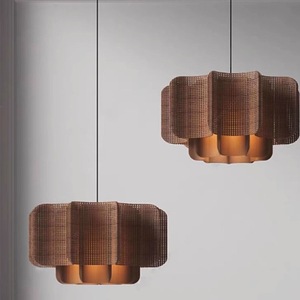
In the global decorative and architectural lighting sector, the ceramic lamp body represents an intersection of ancient material art and contemporary illumination engineering. China’s ceramic manufacturing ecosystem—anchored in specialized industrial clusters such as Jingdezhen (Jiangxi), Chaozhou (Guangdong), and Dehua (Fujian)—has undergone a fundamental technological transformation. Modern B2B lighting specifiers, architectural procurement directors, and wholesale importers no longer evaluate Chinese suppliers solely on cost efficiencies. Instead, competition is defined by Information Gain, chemical glaze precision, thermal shock resistance, structural integration with solid brass chassis, and rigorous international certification standards (UL 153, CE-LVD, RoHS, SAA).
This technical whitepaper provides commercial buyers with an exhaustive framework for auditing ceramic lamp suppliers, understanding material science developments, navigating custom OEM/ODM workflows, and mitigating supply chain risks in 2025 and beyond.
"The true benchmark of a premium OEM ceramic lamp supplier lies in the mastery of firing shrinkage ratios, dielectric strength of vitreous bodies, and the seamless mechanical pairing of hand-buffed metal hardware with vitrified ceramic bases."
A primary failure mode in commercial ceramic lighting procurement is structural micro-fracturing or glaze crazing over extended operational cycles. High-caliber factories distinguish themselves through precise raw material formulation:
Porcelain vs. Stoneware vs. Earthenware: Premium ceramic table lamps and pendant bodies utilize fine kaolin clay formulations rich in alumina and silica. High-fired porcelain and dense stoneware are fired at temperatures ranging from 1250°C to 1320°C. This process induces complete vitrification, reducing water absorption to below 0.5%. Low-tier suppliers frequently rely on porous earthenware fired under 1000°C, which exhibits poor mechanical impact resistance and susceptibility to ambient moisture absorption.
| Technical Property | Vitreous Porcelain (Tier 1 Factory) | High-Density Stoneware | Standard Earthenware (Low Cost) |
|---|---|---|---|
| Firing Temperature Range | 1280°C - 1320°C | 1200°C - 1250°C | 950°C - 1050°C |
| Water Absorption Rate (ISO 10545-3) | < 0.1% to 0.3% | < 0.5% to 1.5% | > 5.0% to 10.0% |
| Dielectric Strength (Electrical Safety) | High (> 15 kV/mm) | Medium-High (> 10 kV/mm) | Low (Requires double insulation) |
| Glaze Thermal Coeff. Matching | Precision Matched (Anti-Crazing) | Stable under standard loads | High risk of micro-cracking |
| Mechanical Flexural Strength | > 40 MPa | > 25 MPa | < 12 MPa |
The visual surface of a ceramic luminaire is governed by glaze chemistry and atmospheric control inside the tunnel or shuttle kilns. Top-tier Chinese manufacturers deploy automated glaze spraying alongside hand-applied reactive glazes to meet designer specifications:
Reactive Glazes & Metallic Oxides: Utilizing copper, iron, cobalt, and titanium oxides, factories achieve organic visual depth where glaze minerals flow dynamically during the molten phase. Achieving color consistency across multi-thousand-unit production runs requires computerized thermal profiling (Pyrometric Cone Control) to limit color delta (ΔE) to less than 0.8.
Matte Terracotta & Wabi-Sabi Finishes: Aligning with global design trends toward biophilic and tactile interiors, leading suppliers have perfected textured satin and unglazed bisque surfaces sealed with invisible hydrophobic nano-coatings to prevent fingerprint staining and dirt accumulation.
Combining four generations of artisanal heritage with modern mass-production discipline. We own the complete production chain from clay body mixing to hand-soldering brass hardware.
We operate dedicated CNC mold-making workshops, allowing us to turn custom architect CAD drawings into physical plaster master molds within 7 to 10 days, dramatically compressing the initial product development lifecycle.
All internal wiring, sockets (E26, E27, GU10), inline dimmers, and LED drivers are pre-certified under UL 153, UL 250, CE-LVD, and SAA standards, ensuring direct compliance for North American, European, and Australian distributors.
To eliminate shipping breakage, our drop-testing laboratory subjects every ceramic lighting item to ISTA 3A vibration and 10-point drop testing using molded expanded polyethylene (EPE) foam enclosures.
As the international commercial lighting market evolves, B2B procurement strategies are shifting rapidly. Buying directors must anticipate key macro trends influencing ceramic lamp production over the coming decade:
Modern interior design demands seamless smart home compatibility. Next-generation ceramic table lamps and wall sconces are integrating low-profile, ultra-compact CCT (Correlated Color Temperature) and RGBW LED drivers directly inside ceramic cavities. Because ceramics act as natural electrical insulators, proper thermal dissipation channels must be engineered into the clay body. Tier-1 factories are utilizing heat-conductive ceramic composites and hidden aluminum heat-sink inserts to maintain LED lifespan exceeding 50,000 hours.
With global ESG (Environmental, Social, and Governance) compliance becoming a requirement for major hotel chains and commercial projects, leading Chinese suppliers are transitioning from traditional natural gas kilns to high-efficiency electric and hybrid hydrogen-assisted kilns. These eco-kilns reduce carbon emissions by up to 40% per unit while maintaining micro-precise heat distribution, eliminating cold spots, and improving glaze yield rates.
The boundary between pure functional lighting and decorative art sculpture has dissolved. Market demand is leaning heavily toward hand-sculpted, asymmetrical ceramic forms paired with noble metal accents (such as solid brass, hand-buffed bronze, and natural travertine stone). Suppliers who possess dual expertise in ceramic firing and precision metalworking (rolling, soldering, and electroplating under one roof) offer a massive competitive lead time advantage over factories that outsource metal hardware.
Clear answers regarding minimum order quantities, custom tooling, quality inspection protocols, and export logistics.
Standard catalog models typically carry an MOQ of 30 to 50 pieces per finish. For custom OEM/ODM ceramic designs requiring custom plaster molds, initial MOQs generally start at 100 to 200 units depending on size. However, for luxury boutique hospitality projects, flexible low-volume sampling programs are available with amortized mold fees.
We utilize digital spectrophotometers to measure glaze color spectrums against master control samples. By strictly controlling raw glaze mineral ratios (weight precision to 0.1g) and implementing automated computer-controlled kiln thermal mapping, we maintain a Delta E (ΔE) tolerance of less than 0.8 across production runs.
Yes. All electrical components (lamp holders, wires, inline switches, power plugs, and LED drivers) carry recognized UL, ETL, CE, or SAA certifications. Finished assembly inspections include 100% Hi-Pot (High Voltage Dielectric Withstand) electrical safety testing prior to final packaging.
Due to our ISTA 3A standard drop-tested EPE molded foam packaging, our breakage rate remains below 0.2% globally. In the rare event that breakage occurs during container transit, we provide a 100% free-of-charge unit replacement credit on your next shipment upon submission of photographic evidence within 14 days of port delivery.
Custom 3D CAD design approval takes 3 to 5 days; physical plaster mold creation and ceramic glaze sampling take 15 to 20 days. Full mass production lead time averages 35 to 45 days after sample sign-off and deposit confirmation.
Bridging American heritage craftsmanship with advanced Asian manufacturing scale across specialized lighting divisions.


Need specialized engineering assistance, OEM price quotes, or glaze samples for your commercial project? Connect directly with our B2B procurement team.