
Choosing the best Ceramic stoneware table lamps requires more than admiring a glossy finish. The right lamp must balance material quality, usable light, stability, and visual character. Stoneware feels substantial in the hand. Its dense body also suits everyday interiors, where a lightweight lamp may seem easily displaced.
Dieter Rams wrote, “Good design is as little design as possible.” That principle remains useful when comparing ceramic lamps. A strong design should not hide weak construction behind decoration. Look for an evenly fired body, a stable base, smooth glazing, and a shade that directs comfortable light toward the table. Check the socket, switch, cord, and regional safety markings carefully. Details matter.
The best choice depends on the room. A speckled glaze can warm a pale oak console. A sculptural black base may anchor a bright reading corner. Soft linen shades usually reduce glare. Still, personal taste complicates every ranking. One lamp may photograph beautifully yet feel too heavy beside a narrow bed. Another may have minor glaze variation but create a calmer atmosphere.
This guide examines Ceramic stoneware table lamps through a practical, design-focused lens. It considers craftsmanship, proportions, illumination, maintenance, and long-term value. The evaluation is not perfect. Lighting changes across rooms, and online images can distort color. A useful recommendation must acknowledge those limits. Expect clear comparisons, tangible details, and a few honest compromises.
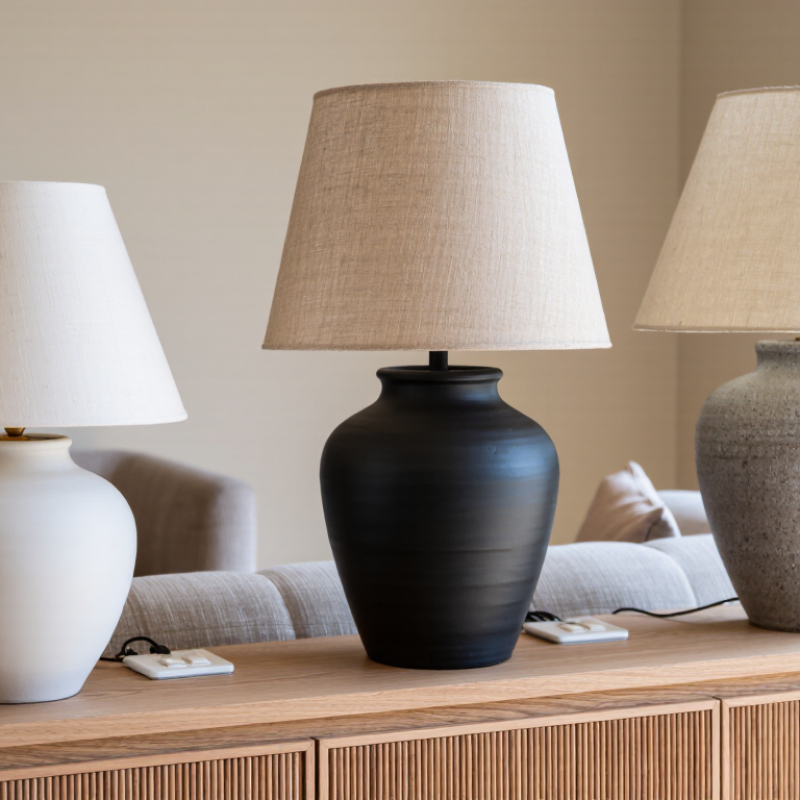
A China ceramic stoneware table lamp is defined by its material, firing process, and practical design. “China” may describe refined ceramic ware, while stoneware refers to dense clay fired at high temperatures. These terms sometimes overlap in product descriptions, so careful checking matters. The body should feel substantial, not hollow or unusually light. Its glazed surface may show soft variation, tiny dimples, or slight color movement. These details often reflect hand-finishing rather than poor quality.
A dependable lamp combines a stable stoneware base, a secure socket, and well-fitted electrical parts. Look for a broad footprint that resists tipping on a bedside table. The glaze should be smooth where hands touch it, with no sharp edges or exposed cracks. Test the switch gently. It should respond without looseness or excessive heat. Ceramic can hide internal weaknesses, so visual inspection alone is imperfect. I have found that a beautiful finish does not always indicate strong construction.
Tips: Check the lamp’s weight and base diameter before buying. Ask for material details, firing information, and safety documentation. Measure the shade separately. A shade that is too narrow can make the base look heavy and reduce light spread. Warm bulbs usually emphasize cream, sand, and blue-gray glazes. Dust with a soft, dry cloth. Avoid sudden temperature changes, since stoneware may still crack under stress.
The best China ceramic stoneware table lamps begin with disciplined material preparation. Stoneware clay is blended with feldspar, quartz, and water, then screened to remove coarse particles. Workers cast or press the body before drying it slowly. This stage matters. Uneven moisture can create cracks around the neck or base.
After trimming, each body enters a kiln, commonly reaching about 1,200–1,300°C. This high firing temperature creates a dense, durable surface. Glaze is then sprayed or dipped by hand, producing colors from warm ivory to deep green. Small glaze variations may look attractive, but pinholes and crawling indicate weak process control. This is where inspection should be stricter.
The lamp is assembled only after the ceramic passes visual and dimensional checks. Technicians install the socket, cord, switch, and protective base.
The U.S. Department of Energy reports that LED bulbs use at least 75% less energy and last up to 25 times longer than incandescent bulbs. Therefore, compatible LED fittings improve daily performance.
Electrical testing should include insulation, grounding, polarity, and heat checks. Ceramic tableware demand also supports this sector; Grand View Research estimated the global ceramic tableware market at about USD 10.5 billion in 2023. That figure does not measure lamps directly, but it reflects strong ceramic manufacturing capacity.
Manual finishing still creates occasional inconsistency. Better factories record kiln curves, glaze batches, and inspection results for every production lot.
Choosing a China ceramic stoneware table lamp starts with the room’s visual language. For Scandinavian interiors, select a matte ivory base, a linen shade, and simple rounded edges. The soft surface reduces glare beside pale oak furniture. Japandi rooms suit charcoal, sand, or celadon finishes with restrained shapes. Keep the silhouette quiet.
Traditional interiors benefit from fluted bodies, warm white glazes, and pleated fabric shades. In contrast, industrial rooms need darker clay tones, visible texture, and aged brass details. A slim lamp works well on a narrow console. A heavier base feels safer on a deep wooden side table. According to Fortune Business Insights, the global lighting fixtures market was valued at about $122.31 billion in 2023. Its forecast suggests continued demand for decorative, functional lighting through 2032. This supports choosing lamps that serve both atmosphere and daily use.
Check the scale carefully. The base should usually occupy about one-third of the table’s visual width, though this is not a strict rule. For reading, a warm 2700–3000K LED creates comfortable evening light. A high colour-rendering index helps ceramic surfaces and fabrics appear more natural. I would not trust colour photographs alone; glaze can shift under warm bulbs. Small firing variations are normal. They may even give a stoneware lamp its character. Still, uneven feet, sharp glaze edges, or unstable wiring deserve rejection. Beauty should not excuse poor workmanship.
Comparing ceramic stoneware table lamps requires more than judging their appearance. I inspect the base for even glazing, stable weight, and clean edges around the socket. Small glaze variations can show handmade character, but deep cracks are warning signs. Tap the body gently. A clear, consistent sound may suggest sound construction, although this test is not conclusive.
Function matters during daily use. Check whether the lamp sits firmly on a desk or bedside table. The switch should feel smooth and remain easy to reach in low light. Measure the cord length before buying. A beautiful lamp becomes inconvenient when the cable barely reaches the outlet. Look for a properly fitted socket, heat-resistant materials, and clear safety information. These details deserve more attention than decorative patterns.
Lighting performance depends on the shade, bulb, and room. A light-colored fabric shade usually spreads a softer glow, while a darker shade creates stronger contrast. Check the recommended bulb wattage and compatible bulb type. Warm light around 2700K often suits bedrooms, but cooler light may help with reading. Compare brightness in lumens, not wattage alone. I once chose a lamp by its large base and ignored the narrow shade. It looked impressive but cast a small pool of light. That mistake still influences my testing. Evaluate the lamp at night, beside the furniture where it will actually be used.
Choosing the right China ceramic stoneware table lamp starts with the room, not the photograph. Measure the table and leave clear space around the base. A heavy stoneware body feels stable beside books or a ceramic vase. Check the glaze under daylight for pinholes, rough patches, or uneven color. Small variations can show handmade character, but sharp edges deserve caution.
Think about daily use. A linen or cotton shade softens light for reading, while a smaller shade suits a narrow bedside table. Confirm the socket type, cord length, switch position, and electrical certification for your region. I once chose a beautiful lamp with a hidden rear switch. It looked elegant, but reaching behind the bed became annoying. I should have tested the control before buying.
Care is simple, but consistency matters. Unplug the lamp before cleaning it. Wipe the stoneware with a soft, slightly damp cloth, then dry it completely. Avoid abrasive powders, soaking, and harsh chemical sprays. Keep moisture away from the socket and cord. Dust the shade gently with a clean brush or low suction. Inspect the cable occasionally for cuts, looseness, or unusual heat. Replace damaged components through a qualified repair service. Glaze can hide dust surprisingly well, so inspect the base and underside too. I sometimes focus on the visible surface and forget the cable, which is exactly where better habits are needed.
How to choose the right light color for different uses and care for a ceramic stoneware table lamp.
The chart shows practical target color temperatures in Kelvin (K). Lower values create a warmer, more relaxing light, while higher values provide a cooler appearance that can support visual tasks. For a ceramic stoneware table lamp, also check that the base is stable, the socket is compatible with the bulb, ventilation openings are unobstructed, and the shade is securely fitted.
It uses dense clay fired at high temperatures, usually around 1,200–1,300°C. The base should feel solid, stable, and substantial. Not unusually light.
Inspect the glaze under natural daylight. Small color changes or tiny dimples may reflect hand-finishing. Avoid sharp edges, exposed cracks, pinholes, and rough patches. Visual inspection is useful, but it is not perfect.
Choose a broad base with a sensible diameter for your table. A heavy stoneware body should resist tipping beside books or a vase. Check the base underside too. I sometimes forget that part.
Clay is blended with minerals and water, then screened carefully. Workers press or cast the body before slow drying. The ceramic is fired, glazed, inspected, and electrically assembled. Manual finishing can still create small inconsistencies.
Confirm the socket, cord length, switch position, and regional electrical certification. The switch should work smoothly without looseness or unusual heat. Testing should include insulation, grounding, polarity, and heat checks. Do not ignore the cord.
Measure the table, lamp base, and available surrounding space. A shade that is too narrow can make the base look heavy. It can also reduce light spread. A linen or cotton shade usually softens reading light.
Use a compatible LED bulb with the correct socket and wattage limits. LED lighting generally uses less energy and lasts longer than incandescent lighting. Warm light can emphasize cream, sand, and blue-gray glazes. Check compatibility first.
Unplug the lamp before cleaning. Wipe the stoneware with a soft, slightly damp cloth, then dry it completely. Dust the shade with a clean brush or low suction. Avoid soaking, abrasive powders, and harsh sprays. Keep moisture away from the socket.
Inspect the cable for cuts, looseness, or unusual warmth. Watch for movement around the socket and switch. Replace damaged parts through a qualified repair service. A beautiful glaze can hide weak construction.
The best Ceramic stoneware table lamps combine durable construction, practical lighting, and a design that complements the room. Made from carefully shaped and fired stoneware, these lamps are valued for their solid feel, textured surfaces, and ability to support a wide range of finishes, colors, and silhouettes. Their production typically includes forming the ceramic body, drying, glazing, firing, and assembling the electrical components. This process affects the lamp’s strength, surface quality, stability, and overall appearance.
Different interiors may benefit from simple neutral designs, sculptural forms, rustic textures, or elegant decorative details. When comparing options, consider the quality of the ceramic, the stability of the base, the reliability of the socket and switch, shade proportions, bulb compatibility, brightness, and ease of maintenance. The right lamp should provide comfortable illumination without overwhelming the space. To keep it attractive and safe, place it on a stable surface, protect it from excessive moisture or impact, clean it with a soft dry cloth, and follow proper bulb and electrical-care instructions.