
Talk to our team800-428-5367
Artisan wall sconces do more than brighten a room. They cast a warm pool beside a reading chair, soften a bare hallway, or turn handmade glass into a small focal point. In 2026, the best choices balance craftsmanship with dependable light, thoughtful proportions, and materials suited to everyday use. A beautiful fixture still needs to work.
Architect Louis Kahn observed, “The sun never knew how great it was until it hit the side of a building.” His words concern architecture and light broadly, not sconces specifically, but they capture how illumination can reveal texture and form. That idea guides this selection. We look at ceramic, forged metal, carved wood, and blown glass, while considering light direction, finish quality, installation needs, and room scale. Details matter. A linen shade may soften glare; a deep metal backplate can create a sharper wall shadow. Product descriptions do not always tell the whole story, so verify dimensions, bulb compatibility, and care requirements before buying. Handmade surfaces can vary. That is part of their appeal, though it may frustrate anyone expecting perfect uniformity.
This guide compares standout artisan wall sconces for different rooms, budgets, and design tastes. It favors clear specifications and credible maker information over decorative claims. Still, “best” is personal. A striking fixture may feel wrong once it is switched on. The right choice should look considered in daylight and feel comfortable after dark.
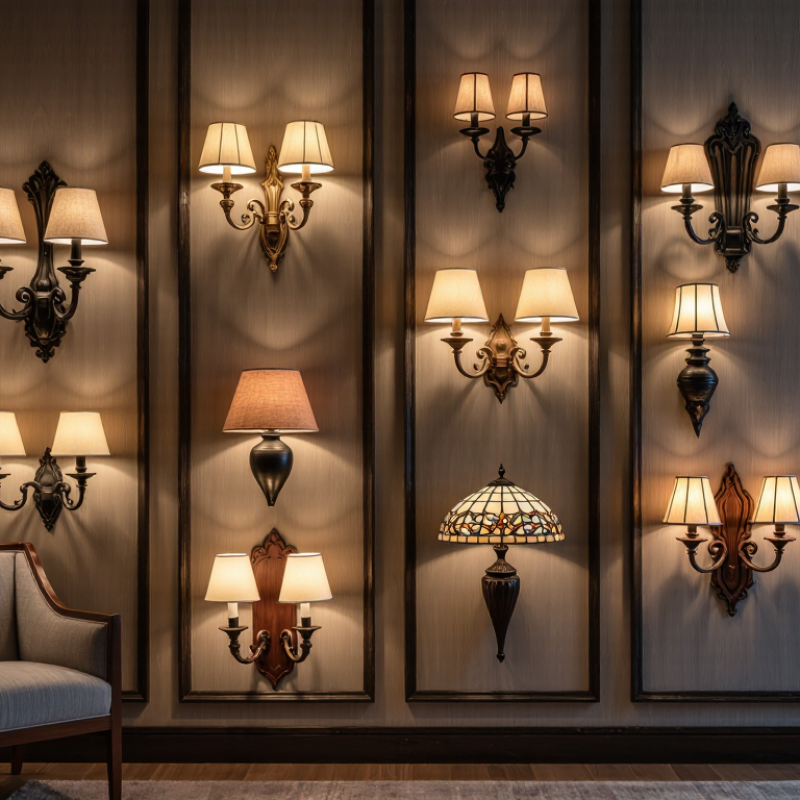
An artisan wall sconce is defined less by a decorative label than by visible craftsmanship and considered design. Its shade, arm, or backplate may be shaped, finished, or assembled by hand. Look closely. Subtle hammer marks, softly uneven glaze, or a hand-rubbed finish can reveal the maker’s process. These details should feel intentional, not careless. Materials such as ceramic, forged metal, and blown glass often develop richer character through skilled handling.
Artistry also includes how the light works in a real room. A well-designed sconce directs light comfortably, avoids harsh glare, and suits the scale of the wall. Check the fixture’s dimensions, bulb requirements, and whether it provides ambient, task, or accent lighting. Not every irregular surface signals quality. I’ve found that a beautiful finish can still disappoint if the light sits too high or the shade blocks useful illumination. Look for thoughtful construction, secure mounting points, and finishes that feel consistent with the intended design. A small variation may be part of the appeal; poor alignment usually is not.
| Dimension | What Defines It | Common Examples | What to Consider |
|---|---|---|---|
| Handcrafted character | Visible evidence of skilled making, such as individually formed parts, subtle surface variation, or hand-applied finishes. | Hand-shaped ceramic, forged metal, hand-blown glass, or hand-finished wood. | Small variations can be part of the design; check that the fixture is structurally sound and consistently finished. |
| Material integrity | Materials are chosen for their appearance, durability, and suitability for the fixture's location. | Brass, steel, copper, ceramic, glass, and responsibly sourced wood. | For damp areas, confirm the fixture's location rating and follow the manufacturer's installation instructions. |
| Distinctive form | A considered shape and proportion give the sconce a crafted presence without relying on decoration alone. | Sculptural arms, asymmetric shades, softly curved profiles, or simple forms with textured surfaces. | Compare the fixture's projection and height with the available wall space and nearby furniture. |
| Light quality | The shade, diffuser, and bulb work together to create useful, comfortable light. | Opaque shades direct light; translucent glass softens it; open shades allow more light into the room. | Check bulb compatibility, brightness, dimming requirements, and whether the light is directed up, down, or outward. |
| Finish and texture | A tactile or layered finish adds depth and makes the construction visible. | Brushed, patinated, hammered, glazed, or naturally textured surfaces. | Ask how the finish may change with age and what cleaning methods are suitable. |
| Craft and construction | Well-fitted components, stable mounting, and thoughtfully concealed wiring support safe, lasting use. | Secure joints, a sturdy backplate, and a shade that sits firmly in place. | Look for clear installation guidance and applicable electrical safety certification for your region. |
| Room suitability | The scale, light direction, and finish suit the room's function and surrounding materials. | Reading light beside a bed, ambient light in a hallway, or paired sconces beside a mirror. | Plan placement around sightlines, nearby doors, mirror edges, and existing electrical outlets. |
| Long-term value | Repairable components, replaceable bulbs, and durable materials can help extend a fixture's useful life. | Standard bulb sockets, accessible fasteners, and finishes that can be maintained. | Check bulb availability, maintenance needs, warranty terms, and whether replacement parts can be obtained. |
Forged iron may show small hammer marks, while handblown glass softens LED brightness. Ceramic shades can have matte or glossy glazes.
Check the joints, solder lines, and metal-to-glass transitions. Secure connections matter more than decorative claims. Small details matter.
Minor variations can reflect handwork, but rough edges or unstable joints deserve questions. An uneven rim may distract beside a tidy bed.
Reading nooks need focused light; hallways often suit a softer, wider glow. Measure nearby doors, artwork, and furniture too.
Compare its dimensions with the wall space and note how far the shade projects. Measure twice.
A matte glaze absorbs more light, while a glossy surface reflects it. Consider room size, bulb warmth, and possible glare.
Compare light output, color temperature, and dimmer compatibility with your needs. A warm tone near 2700K may feel inviting, but not suit every task.
Confirm the fixture fits the electrical box and review its weight and installation requirements. Seek qualified help if wiring or mounting is uncertain. Don’t guess.
Artisan wall sconces bring character and thoughtful craftsmanship to a room, combining practical illumination with distinctive design. In 2026, they may be recognized by hand-finished details, subtle variations, and the use of materials such as glass, metal, ceramic, wood, or natural fibers. Techniques including shaping, casting, glazing, and weaving create a range of forms, from sculptural shades to pared-back, functional designs. Their styles can suit traditional, contemporary, rustic, or eclectic interiors, so the right choice depends on both personal taste and the atmosphere you want to create.
When evaluating Artisan wall sconces, consider the quality of construction, finish, light direction, brightness, and compatibility with the room’s existing fixtures. Check the dimensions and mounting requirements before choosing a location, and arrange installation according to the fixture’s instructions and local safety requirements. To keep a sconce looking its best, use suitable cleaning methods for its materials, avoid harsh treatments, and periodically check that its fittings remain secure. A carefully selected and maintained wall sconce can add warmth, visual interest, and useful light for years.